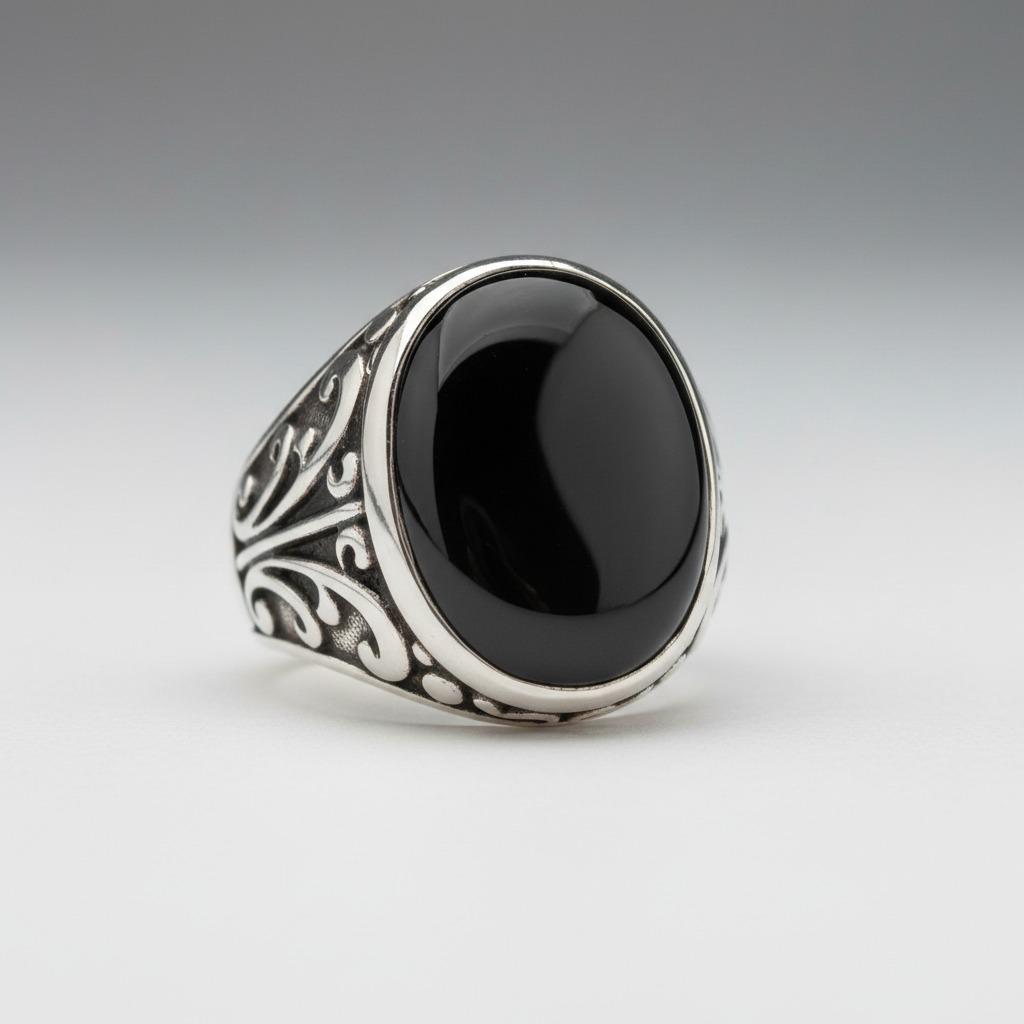
Stainless Steel Fashion Jewelry: Why Buyers Keep Coming Back to It
Stainless steel fashion jewelry sits in a useful middle ground that many sourcing teams appreciate: it looks polished enough for retail, holds up better than many plated alternatives, and can be priced for broad market appeal. For buyers looking at braided bracelets, wristbands, and other everyday accessories, the appeal is not just style. It is consistency, durability, and a lower-risk path into accessories that need to survive normal wear without looking cheap after a short time.
That matters because fashion jewelry is judged quickly. A bracelet might be bought as a gift, picked up as impulse retail, or used as branded merchandise, but the product still has to do the same thing: look intentional on day one and still look decent after a few weeks of use. Stainless steel fashion jewelry is often chosen because it helps meet that expectation without requiring precious-metal pricing.
What This Category Usually Covers
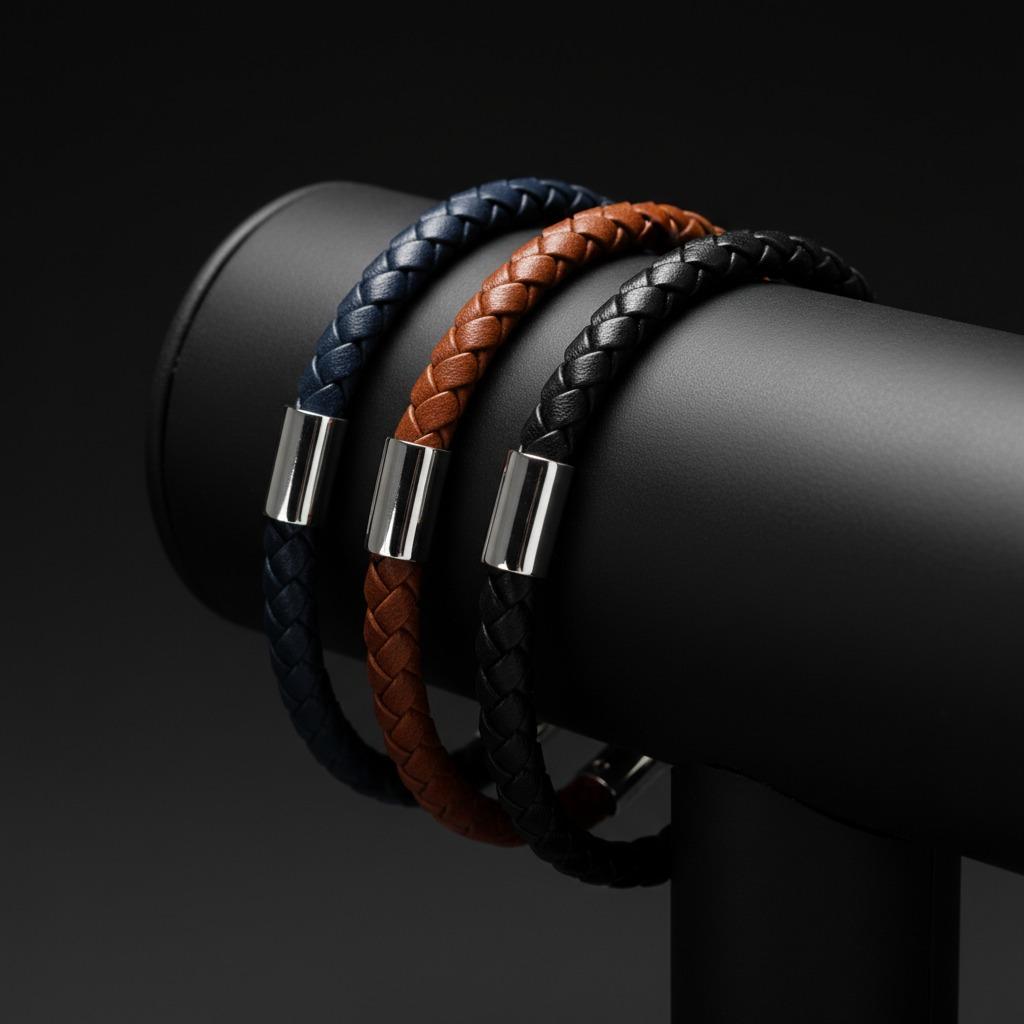
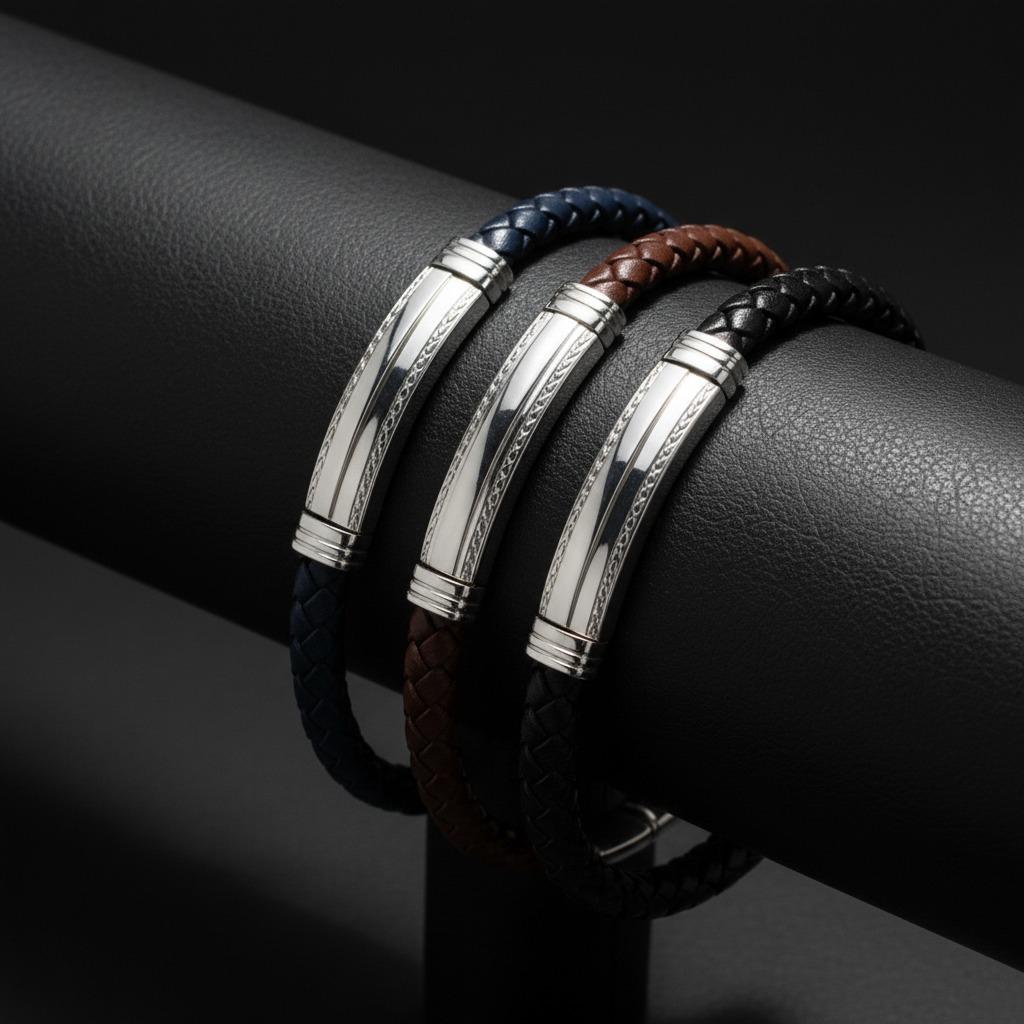
In practical sourcing terms, stainless steel fashion jewelry can include bracelets, bangles, necklaces, rings, charms, and mixed-material pieces that combine metal with leather, textile cord, or woven bands. The visible product style here leans toward braided wristbands: looped bracelet forms with cord bodies in black, brown, and blue tones, plus cylindrical metal end or clasp elements in a silver finish. That kind of construction tells you something important about the product class. It is not trying to compete with fine jewelry. It is trying to deliver a strong visual impression, a wearable shape, and enough mechanical structure to feel finished rather than handmade in a loose sense.
For buyers, that distinction matters. A braided bracelet with stainless steel components can suit retail fashion, couple gifts, friendship accessories, and promotional lines. It also gives a supplier room to vary the look without changing the core manufacturing logic too much.
Why Stainless Steel Is So Often the Practical Choice
Stainless steel earns its place in fashion jewelry for a few straightforward reasons. It generally offers better resistance to rust and everyday wear than many low-cost base metals, and it can be finished in ways that look clean and modern. Brushed surfaces, polished surfaces, and darker coatings all fit the material well, depending on the design direction.
There is also a business reason. Stainless steel can support repeatable production. When a buyer wants a product line that looks the same from batch to batch, that consistency is a real advantage. It is especially helpful for items with visible metal fittings, where the user’s eye goes straight to the clasp, end caps, or engraved center piece.
That said, buyers should avoid over-reading the material. Stainless steel does not automatically solve every issue. A badly assembled bracelet can still feel flimsy, and a good-looking finish can still hide poor cord quality or weak joining points. In other words, the material helps, but it does not save a careless build.
Reading the Product Build: What the Braided Bracelet Style Suggests
Braided fashion bracelets like these usually depend on the relationship between the textile body and the metal fittings. The cord does the visual work and provides flexibility. The stainless steel parts add weight, structure, and a more finished retail look.
A few details are worth paying attention to during sourcing:
The braided body should look even and deliberate, not loose or frayed at the edges. Uneven braiding often becomes more noticeable once the item is worn.
The metal end elements should feel aligned with the cord diameter. If the fitting is oversized, the bracelet can look clunky; if it is too small, the transition between materials may look weak.
If the piece includes a small engraved or marked center component, that area becomes a focal point. Buyers should check whether the marking is crisp enough to read and whether the design still works without the engraving carrying the whole product.
The looped bracelet shape also suggests ease of wear. That is useful for fashion and gift items because consumers often prefer accessories that do not require much explanation or adjustment.
Where Stainless Steel Fashion Jewelry Fits in the Market
This category works in more channels than some buyers first assume.
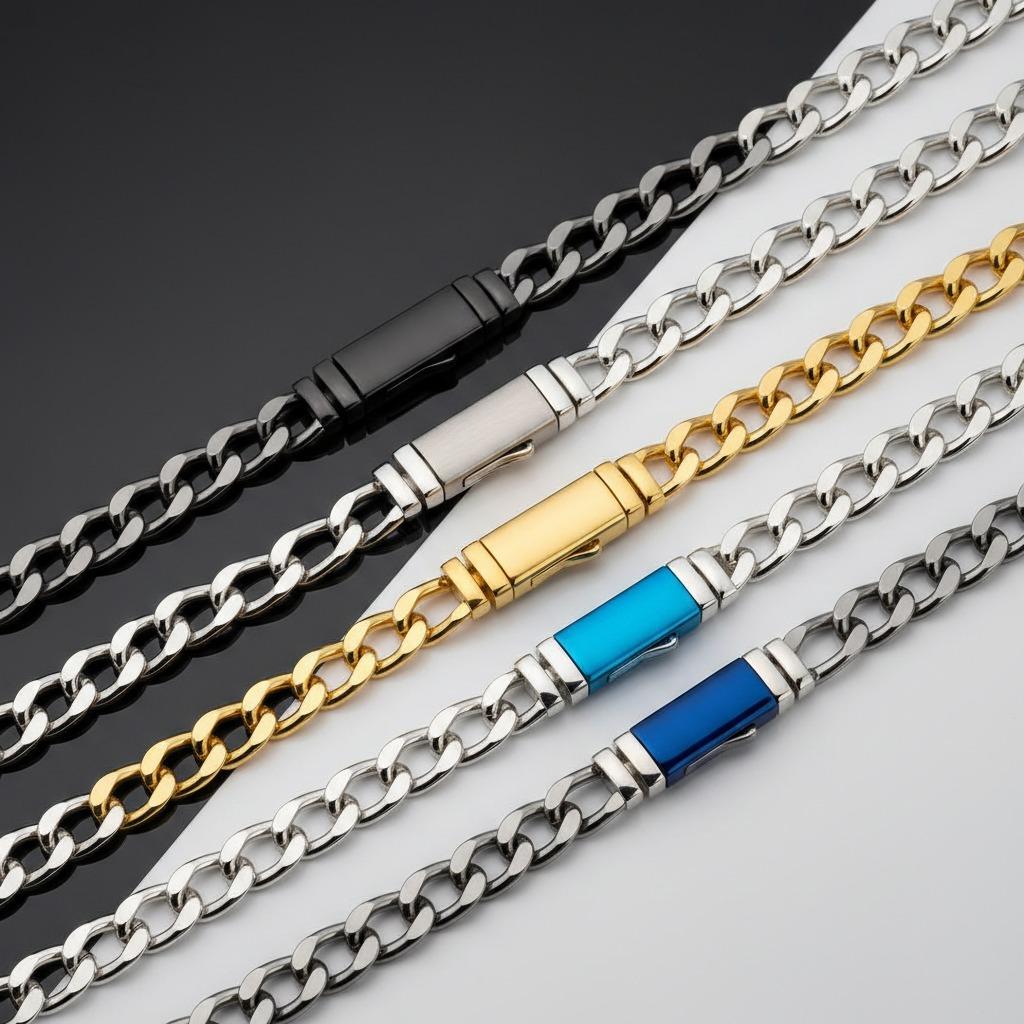
Retail fashion accessories use stainless steel because it supports a clean, modern look and can be paired with cords, beads, leather, or minimalist chain designs.
Gift and couple bracelets often rely on symbolism rather than precious materials. A braided bracelet with a steel accent can feel personal without becoming expensive.
Promotional merchandise benefits from the durability and branding potential. A small engraved center piece, if done cleanly, can carry identity without overwhelming the design.
Lifestyle and casual wear sit somewhere in between. Customers want something they can wear daily, but they do not necessarily want a piece that reads as formal jewelry.
For sourcing managers, the point is not just “Does it look good?” It is “Which channel will this sell through, and what finish or construction style matches that channel?”
Selection Criteria Buyers Should Actually Use
When evaluating stainless steel fashion jewelry, especially bracelet-style pieces, focus on a few simple checks.
First, inspect the finish. A brushed finish can hide minor handling marks better than a mirror polish, while polished surfaces may look more premium but can reveal imperfections faster.
Second, evaluate the interface between materials. Braided cord and metal components need a clean connection. If the transition looks sloppy, the product will feel lower-end even if the stainless steel itself is fine.
Third, consider wearing comfort. Rounded metal edges matter more than they seem. A bracelet can look appealing in photos and still annoy the wearer if the fitting edges are sharp.
Fourth, think about merchandising. Black, brown, and blue cord tones are versatile, but they create different retail moods. Black usually reads as modern and universal, brown can lean more casual or earthy, and blue often feels more expressive or gift-oriented.
Finally, ask how much design identity the product carries. A minimal bracelet with one metal accent can work well if the finish is strong. If the design is too plain, it may vanish on a crowded retail wall.
Common Buyer Mistakes
One common mistake is treating all stainless steel fashion jewelry as if it were the same. It is not. A chain bracelet, a braided wristband, and a rigid cuff may all use stainless steel, but the manufacturing risks differ.
Another mistake is focusing only on the metal and ignoring the cord or textile component. In braided designs, the soft material often controls the customer experience more than the steel does.
A third issue is over-specifying where flexibility is needed. Some buyers ask for a design that looks premium, survives frequent wear, and costs like a commodity item. Usually one of those goals has to give a little.
There is also the old trap of approving samples by appearance alone. For bracelets, clasp behavior, edge finish, and overall proportion matter just as much as the front-facing look.
Practical Advice for Sourcing Teams
If you are comparing suppliers, ask for close-up photos of the end fittings and the braided sections, not just hero shots. Details around joins and closures are where quality differences show up.
For custom or branded orders, confirm whether engraving is possible on the visible metal component and how much space is actually available. Small marked parts can add value, but only if the marking remains legible.
If the product is intended for gifting or promotional use, packaging can matter almost as much as the bracelet itself. A simple accessory can feel more complete when presented properly, and a modest package often helps justify the purchase.
And if you are buying for a broad retail audience, avoid designs that are too niche unless you already know the channel. Braided stainless steel pieces have the advantage of being approachable; keep that strength intact.
FAQ
Is stainless steel fashion jewelry only for men’s styles?
No. It is used across men’s, women’s, and unisex accessories. The styling choices—braiding, color, finish, and thickness—usually determine the target market more than the metal itself.
Can stainless steel fashion jewelry be used for everyday wear?
Often, yes. That is one reason buyers like it. But everyday wear also depends on the quality of the assembly and the comfort of the edges, not just the material label.
Why choose a braided bracelet style?
Braided bracelet styles offer a balance of texture and simplicity. They feel less formal than chain jewelry, but more finished than a plain cord band. That makes them useful for gifting and casual retail.
What should I check before placing a bulk order?
Check finish quality, material transitions, comfort, and whether the design matches your sales channel. If branding is involved, verify the engraving or mark placement early.
A Better Way to Decide
The best stainless steel fashion jewelry is not the flashiest piece in the tray. It is the one that matches the intended buyer, holds together well in use, and photographs honestly. For braided wristbands and similar accessories, that means paying attention to the cord construction, the metal fittings, and the overall balance of the design.
If you are sourcing this category, start with the end use. Retail shelf, gift box, couple set, or promotional giveaway will each push the design in a slightly different direction. Once that is clear, the rest of the decision becomes much simpler.
For the next step, request samples or detailed product images that show the braided body, the brushed or polished stainless steel parts, and any engraved center component. That is usually enough to tell whether the piece belongs in your line—or whether it only looks right from a distance.